
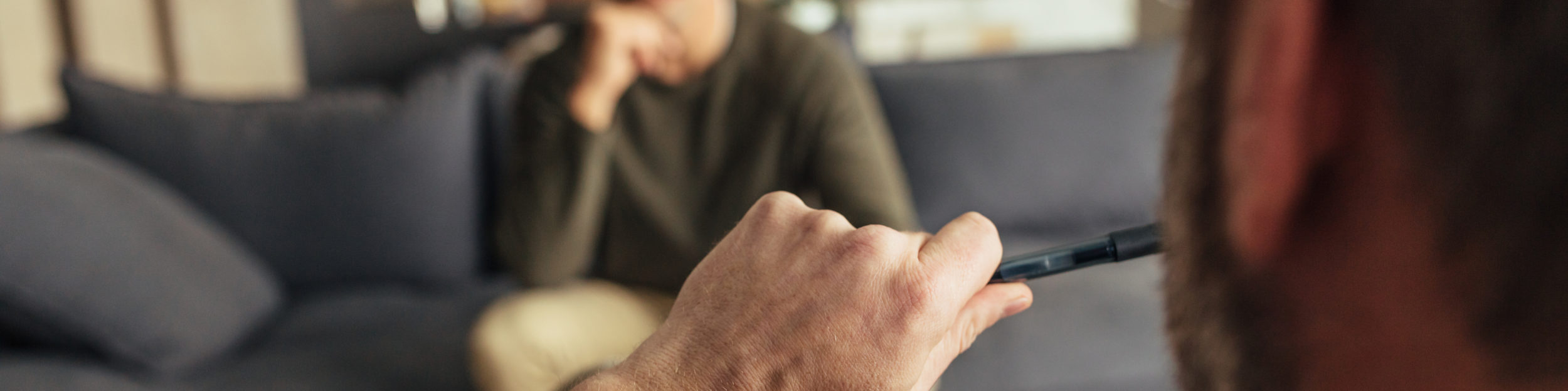
Ever wonder why we swap vulnerability for anger, or why a simple disagreement can feel like a threat to your entire relationship? In Episode 360 of Through a Therapist’s Eyes, we unlock the invisible force that determines whether your relationships thrive or fracture: emotional safety. We dive into why humans swap “I’m hurt” for “You never listen,” how subtle relationship killers like invalidation quietly erode trust, and how the core principles of Emotionally Focused Therapy (EFT) can completely rewrite your connection with partners and children alike. Tune in for a raw look at what it truly takes to dismantle your defenses and build a bond safe enough for reality.
Tune in to see Emotional Safety Through a Therapist’s Eyes.
Think about these three questions as you listen:
- What makes you feel emotionally safe with another person?
- Who in your life allows you to be fully yourself without fear of judgment?
- How do people unintentionally create emotional danger in relationships?
Links referenced during the show:
https://pubmed.ncbi.nlm.nih.gov/16523499
https://pmc.ncbi.nlm.nih.gov/articles/PMC10849076
https://www.throughatherapistseyes.com/category/podcasts/marriageandfamily
https://www.throughatherapistseyes.com/category/podcasts/selfmanagement
Through a Therapist’s Eyes: ReUnderstanding Your Marriage and Becoming Your Best as a Spouse
Chapter 40 | Validating your partner’s emotion or life experience builds trust.
Validation is one of the fastest ways to increase emotional safety.
Chapter 31 | Say what makes you uncomfortable.
Emotional safety allows uncomfortable truths to be spoken.
Chapter 17 | Learn a concept called Intentional Trust.
Trust is not accidental. It is built through repeated safe interactions.
Through a Therapist’s Eyes: ReUnderstanding Your Emotions and Becoming Your Best Self
Chapter 1.13 | Expressed emotion is positive and fresh.
People express emotions more openly when emotional safety exists.
Chapter 1.24 | Boundaries are important markers between others and us.
Boundaries help create emotional safety by defining what is acceptable in relationships.
Intro Music by Reid Ferguson – https://reidtferguson.com/
@reidtferguson – https://www.instagram.com/reidtferguson/
https://www.facebook.com/reidtferguson
https://open.spotify.com/artist/3isWD3wykFcLXPUmBzpJxg
Audio Podcast Version Only
Podcast: Play in new window | Download
Episode #360 Transcription
Chris (00:00)
Hello, this is Through a Therapist Eyes kicking in to you on June the eighteenth, twenty twenty six. And here in the States, we have a special celebration this weekend. So I'd like to welcome all of the fathers in and around the country and around the world and wish you a very happy Father's Day. Father's Day is a special day where we recognize the beautiful, wonderful gifts that a hopefully a dad will bring to a family. And we also recognize the pain of losing fathers.

shoot, we just had Mr. Pope, one of our own, go through that. Or having not great relationships with their fathers or various problems in families. To all of those, we're with you in heart and spirit. But happy Father's Day to one and all. We are clipping up here on June the eighteenth, like I said, and we are getting ready to talk about s emotional safety, which came from our show last week. We were talking and

Casey, I think you said hey, that sounds like a whole nother show. So I decided we would absolutely just talk about how do we form emotional safety? How do we get emotional safety? I guess June turned out to be the the mental health foundation's month. We're gonna chat with Miss Victoria Pendergrass hanging out with us. How are you, ma'am?

Victoria (01:14)
Hi, I'm good.

Chris (01:16)
And the aforementioned Casey Morgan.

Kasie (01:19)
Hello.

Chris (01:22)
None other than the also aforementioned mister the John Pope. How are you, sir?

John (01:27)
Pope. Doing well. Thank you very much. The Pope.

Chris (01:31)
Pope. He is the

Pope. So this is where you get personal insights from a group and a panel of therapists. Not just one, not two, but three, actually four today. Knowing it's not to deliver your therapy services in any way, ⁓ we ask you to do your part because we give you a free service. We hopefully entertain you a little bit, but we really want to give you good disseminated information about mental health and substance abuse, blow up stereotypes and myths. Your part is to click subscribe, please tell a friend.

John, how many stars we haven't heard from you from two weeks Casey f did a fill in. She she did good job, but she's not you, man.

John (02:04)
Five stars. ⁓

Five stars, Casey. That's exactly right. So thank you. And that will help us shoot to the top, just like cream rises to the top.

Chris (02:20)
We love it. Listen, I've also been spending a little bit of time on the websites. We got links. If you if you're here in this show, you'll see a link that links all the other shows that we've done that are kind of in the same genre, same type. Because I know people will kind of cherry pick listening to this show, not that show, because it doesn't apply to them. But we have a lot of shows that apply to this show. So and the links that we talk about on the show. So I'm putting a little bit of effort onto that. so you may benefit. So check it out. Through a therapist eyes dot com is where you go for that.

and then or s I don't know. Yeah, no, it's on our website, not on Spotify, LinkedIn, all those places. But ⁓ contact it through a therapist eyes is ⁓ where you can interact with us. ⁓ we are licensed clinical therapists doing real clinical work every day, right? And this is where we talk honestly about what actually helps. So this is the human emotional experience which we endeavor to figure out together. So

Like to give you some questions to think about while we're talking. this week we have in relationship to emotional safety, right? How trust, vulnerability, and connection change relationships. So what makes you feel emotionally safe with another person? If you can answer that question, I urge you to share that with your partner, specifically your partner. Other people as well. But if you can identify what makes you feel emotionally safe.

And you can share that in some way with your partner, you're gonna have a much better life. I I promise you. Right? Who in your life allows you to be fooly yourself without fear of judgment? That's important. Also very hard. And then how do people unintentionally create emotional danger in relationships? Because unintentional is really a key word there in a lot of ways. All right, guys, before we get rocking and rolling on the topic, I want to do a little bit of a current event.

Man, what an interesting current event in the sports world. Have you all heard about Brendan Soresby?

Kasie (04:24)
Yes.

John (04:25)
Yes.

Chris (04:26)
Wha what's what's the word, Casey?

Victoria (04:28)
No.

Kasie (04:28)
⁓ so he bet on something like ⁓ nine thousand college football games and he is a college a collegiate athlete. So he did betting on ⁓ college football.

Chris (04:41)
Yeah.

John (04:45)
And he went into rehab, didn't he?

Chris (04:49)
Yeah.

Kasie (04:49)
They tried

to make him go to rehab, yeah.

Chris (04:51)
I think he went into rehab kinda begrudgingly and you know, kinda

John (04:56)
Uhhuh.

So did he vote did he did he bet ⁓ on his own team or against his own team as well?

Kasie (04:57)
Yeah.

Chris (05:05)
They said no. But they so so the reports were no. I mean it you know, it it nine thousand though. I but who knows, John. I mean, you know, you you that's it's ultimately if you're not a sports fan, it's ultimately like, you know, very terrible to bet on your own team. It's like so taboo, so awful. I mean P. Rose is forever linked to this crazy reality of betting on your own team and

John (05:23)
Yes, it is. There's Pete Rose a little bit of question, yeah.

Chris (05:32)
He's been demonized and he'll never be in the Hall of Fame because of it and all sorts of realities. But Casey, you said nine thousand games or bets?

Kasie (05:41)
Yeah, I think so. I I think the stat line was something like nine thousand bets.

John (05:44)
I I even

thought it was higher than that. I think you're right, Casey.

Kasie (05:50)
Yeah, I think that ⁓ i and the the controversy around it is that, you know, now they're trying to get the appeal on the table that he would only have to sit out for I believe two games. Two games, yeah. And that's it. Yeah. And so of course the attorneys for the N N CAA are like, no, that would mess up the whole precedent for the rest of sports.

John (06:04)
Two games.

Victoria (06:05)
Say it?

Kasie (06:18)
⁓ but

John (06:19)
Yeah.

Chris (06:19)
Well there's been extra developments,

Casey. They ⁓ they did actually finally rule. They ruled with the NCAA and they said, you know what, we we we you know, the ⁓ the court said the NCAA can't force, you know, a a ⁓ can't force them out, can't force us a suspension or anything like that, which was really bad, but it it created a major stink with all the conferences. People were gonna start not playing Texas Tech, that's the school that had the guy.

And they ⁓ Texas Tech ultimately made the decision. Look, Brendan, w you know, better better for you to move on. So he's he's now moved into a space where the NFL has to decide if they're going to allow him to come into an alternate ⁓ what's it called, some sort of draft for for all three of your teams to to see if he can they want to pick him up and on the NFL level. Because he's a really good quarterback. Why do we care on a thro through a therapist show? Why is this a current event, you may be asking? Well, the reason is because holy mother.

John (07:02)
And yeah.

Chris (07:15)
This guy is betting not just like little bets, he's betting nine thousand bets. He's putting entire areas of his life in in quite huge jeopardy. He is absolutely not able to stop. I heard reports on Pat McAfee's show where he wakes up in the morning and he jumps on the apps and he's betting on, you know, Tiki Tac Ball and

just everything. It's pointless. It's meaningless betting because it's just on everything and anything. Guys, what does this sound like?

John (07:46)
That's also the

same that's also our culture right now. And it's it's so easy to to do sports betting and they're young people and that gets imprinted and so the so this is something that's hard to treat, I think, probably.

Chris (08:04)
Well

that's interesting that you would say that, John. My question is what does this sound like? And you went to the culture and the the the I this is this is addiction.

John (08:15)
It's a different.

Victoria (08:15)
gonna say this sounds

like a gambling addiction.

Chris (08:17)
Yeah, all day long in my mind.

John (08:19)
It is.

It is, but we've made it easy to have an addiction.

Victoria (08:25)
Yeah, John is just saying that the culture today like spurs that on.

Chris (08:31)
Fair. It it has become easy to have porn addictions and gambling addictions and you know, we've always had eating addictions and then there's online video gaming addictions. You think of addiction being ⁓ alcohol drugs, you know, primarily. ⁓ drug addictions, alcohol alcoholism. Right.

John (08:49)
But you would say this

is a process addiction. They used to call it that.

Chris (08:52)
Right. This is one of the four. And you don't really get good examples where you see in the public people talking about, you know, behavior that's just like, wait a minute, what is going on? Right? This doesn't make sense. This is not normal. It's not, because this is, I believe, you're right, John, one of the process addictions. And it's so different. Like Pete Rose, I don't know his story, but I don't know that that sounded like addiction. Yeah, that just sounded like making money.

Which is kinda different. This kid I don't think is even making money. I think he can't control his behavior, which is what you look for with addiction.

John (09:30)
But also he's he's he's now in the new f football reality, in NFL foot ⁓ reality about sports, and you can change schools, you can transfer, ⁓ and you've got you've got ⁓ money that's coming to you and he's spending it all. He's spending it all.

Chris (09:50)
It's kind of wild to capitalize on

Victoria (09:51)
Can

⁓ we point out some specific North Carolina celebratory current event news?

Chris (10:03)
I'm not sure what you speak of, sure. Is current event number two.

Victoria (10:06)
Well, ⁓

the current event is that the Carolina Hurricanes won the Stanley Cup.

Chris (10:13)
That's not a mental health current event, sorry.

Victoria (10:15)
Yes, it is because it improved my mental health as a North Carolinian who ⁓ the hurricanes are the only professional sports team to ever win their version of the Super Bowl, like their world champion thing.

Chris (10:29)
Well, they've

already done it before, so they're just doing it again.

John (10:30)
Please come.

Victoria (10:33)
Yeah, exactly 20 years later!

Chris (10:35)
Ha ha

Kasie (10:36)
Also,

I wasn't gonna bring it up, but the Tar Hills are have advanced in the college baseball world series after closing out I don't know, West Virginia. So you're

Chris (10:39)
Don't do it. Don't do it.

Don't do it.

John (10:51)
⁓

Victoria (10:51)
Go

Heels!

Chris (10:55)
Casey, I hate you so bad right now.

Victoria (10:57)
Also go Nix, the Nix won the, won their championship.

John (11:01)
Not the spirit.

Chris (11:02)
Neil, cut them off.

Neil, I need mutes. I'm losing control of this freaking show. Okay, this is gotta stop. This sucks. Yes, I'm so happy for you, Casey. That's great. you know, we had a good run.

Victoria (11:15)
I guess so.

Kasie (11:17)
Yeah. It's good. Yeah,

it's it's good that you're bringing up your secondary emotions because that is a good segue into some things that we're gonna talk about today, which is your protective emotions that you feel embarrassed that you pull for a college baseball team that was pitiful. And now your secondary emotion is anger.

Victoria (11:35)
You

Y'all

Chris (11:44)
You know what, Casey? I thought you were just gonna take us into the show. I I'm done. I'm done. I you go ahead and start start the the the real talk. Go. I'm I'm out. I'm I've got I gotta recover.

Kasie (11:54)
Okay, so ⁓ guys, just to kind of bring us back on topic, we are discussing emotional safety and and we were just kidding then, but obviously I was not creating a safe situation for Chris in that moment around his favorite sports team. But in all in all kidding aside, this is a very important topic because how we trust is the way we establish ⁓ relationships with other people.

to allow ourselves to have the vulnerability that's necessary for the continuation of a relationship. And so, you know, as we grow and develop in various ways throughout our life, as we

Learn about ourselves, learn about the partners that we have. This is an important topic to kind of help us get to the next level of intimacy. And so last show, if you haven't checked it out, please do so because we talked a lot about primary and secondary emotions. and we're just going to expound on that a little bit today because we talked about how it important it is to have emotional safety to be able to get to a place where you can share things about your.

yourself, like what is your real feeling as opposed to just the secondary feelings or emotions that show up ⁓ to protect us. So yeah, we're gonna go ahead and get started with that.

Chris (13:16)
Yeah, no, it's it's it's such a a challenging thing. It's a it's we'll we'll talk, I guess, in a minute on what what is emotional safety, assuming you kinda realize a little bit of what that is. I really feel like it it it's really elusive. It's much more elusive than you would think. And there's also different layers, like you can feel it on a continuum. A lot of things operate on a continuum. But you know, ⁓ I just had a couple in my office today that I met with what was the last session of the day and

⁓ it it ⁓ they've been married multiple times. They're older couple. They've been together for 17 years right now, so that's pretty amazing. ⁓ I was just kind of struck as I went through talking about the emotion focused therapy model, and they weren't really getting it. And and and they just repetitively, like five or six different iterations, where he would say something, she would interpret it as a poke or a

⁓ a criticism of her and and she would get defensive immediately ⁓ throughout the session and to which he would then just stop talking. And it was just like I was just sitting there like, dang man, he's yeah it's not a good it's not a good prognosis when you cannot achieve at least some semblances of emotional safety. And then in in towards the end of the session I asked a very pointed question. I said, I I know you guys have been able to talk about ⁓

session you know, topics and you work through some hard things and and you were able to do that with a sense of emotional safety and and and and I I was just wrapping up and I was like, you know, that's the goal. That's what it is that we want to get done here. That's what we want to figure out what the patterns are and how to change them so that you can actually talk about things and feel emotionally safe at the time. And I asked, I said, how often does that happen? She was like, yeah, it happens from time to time and he was just shaking his head. He's like, does it

And I was like, man, that's a concern because this guy is not having any at least perceived emotional safety when talking about topics. you know, so cr fingers crossed, hopefully we could be helpful. But I just I give that as an example because that's I mean, you guys have seen that in your office before, I suppose, right?

Kasie (15:33)
Yeah, I mean my last session of the day as well was a couple. So that's interesting. But ⁓ but anyway, you know, I I do see this a lot in my office that sometimes couples, when they start out, they start strong. ⁓ things are going well and things continue to go well, even from a communication and emotional perspective, until

Something changes, right? Like we are constantly involving as people in relationships. We have different versions of ourself that kind of show up through different periods of time throughout the continuum of a marriage. You're not the same person at 25 years old that you are at 55 years old. You know, things happen, life happens, stuff happens. And so

we continually to show up differently sometimes throughout that continuum. And because of that, we consistently have to con to hone in on our skills to practice creating emotionally safe spaces. And it's not a one size fits all kind of dynamic. It's not a, this worked three years ago, why is it not working now?

and it's because the way we interact, the way we show up for each other, the way that we listen, the way that we problem solve.

Sometimes ebbs and flows with what is going on in life as well. And so I think that that's an important thing to remember here. That just because it might feel hard or might feel differently now does not mean that your marriage is failing. It just means that it needs to catch up or adapt or shift maybe in a direction.

Chris (17:27)
So let's look for a minute at what the heck it is we're talking about, Casey. What what is emotional safety? John, what what say you?

John (17:34)
Emotional safety is where you can basically expose your soul, yourself, your and that you have the it's almost like a a dog who has its belly up towards you and makes himself vulnerable or herself vulnerable. And ⁓ that's how much trust is there. If you have that safe space in a relationship, I think you're you're gonna have a

maybe we should ⁓ look at our our canine friends ⁓ for some guidance in that area. I think it's that that enables you to have the trust which enables you to develop and have growth, personal growth.

Chris (18:20)
You know, I love that you brought in that that visual. You know, when a dog gives you his belly, you've got to understand the the carnal nature of dogs and what they convey. They they are saying, I know you can end my life, but I'm going to expose the most vulnerable part of myself ⁓ because I trust that you're not going to end my life. ⁓ and so when a dog does give you your belly, that that's a that's a big deal. ⁓ and

I think you're right, John. We could learn from that 'cause humans suck at being that vulnerable. Victoria, what say you? What is emotional safety?

Victoria (18:56)
I say it as like in my sessions, ⁓ I don't necessarily use that word. I say safe person. ⁓ But specifically like with a marriage or like a relationship. But yeah, I mean, it's basically where you feel like you can talk to your person, like talk to them about things. You can express those emotions. You can trust that they have like empathy.

and willingness to understand your emotions and vice versa and like, ⁓

because I was talking about it. I didn't have a couple, but I was talking about it with a client today, actually about how they mentioned that like,

Previously, before the death of their mother, they did feel like they were emotionally safe with their spouse, and now they do not because of some things that have happened during that time. And we talked about it. so, yeah, I I think it's like I agree with Casey or that like it can ebb and flow. But yeah, I it's where like, I think it's one of those therapy terms that like

John (20:05)
Yeah.

Victoria (20:13)
It's defined how you think it would define. There's not a secret meaning to it. Emotional safety is emotional safety. ⁓

Chris (20:18)
Not confusing. Mm-hmm.

John (20:28)
So are is is

Chris (20:28)
It's a good point. ⁓

John (20:29)
it the safety dance? No, I'm joking.

Got a question for you and that and because or or question or observation, I have a client that I've seen on and off for three years, and we finally got granular on ⁓ last night and she talked about never shared this before. And so I hope I had a s a safety place that I think

You've called it the golden egg or something like that, that that kind of a thing. But she talked about and never shared this, that her mother would beat her up. She's a Hispanic and ⁓ in late middle age and ⁓ her mother is still in her life and she says every relationship that I've ever had

now is guarded. I'm not able to to you know, I c I I don't have that sense. And she interestingly enough used the word safe. I don't feel safe in any relationship that I'm in, even not even with my daughters.

Chris (21:44)
Yeah, that's interesting. I and and it's a sad observation. I I think ⁓

You know, I ran, we're just loading up 'cause ⁓ my my first client today actually was feeling the same way with his son that died in an strange state because of his addiction. the kid was addicted. it's just, you know, and you f you know you feel alone in the world. I I think there are things that happen, right, where you you feel hurt ⁓ oftentimes after divorce or major life events, maybe a death. ⁓ you you really start to question stuff you knew and you begin to doubt.

Like, you know, how could I ever date again after a divorce? Like, I'm not comfortable doing that. I can't tell you how many times I've heard people say, I ain't getting married again. Uh-uh. You know, or or my my protector, my dad, is no longer on this earth. You know, I I see the whole world as a different place that's a threat. I think, you know, re there are John, right? There are things that really impact this, ⁓ probably to the plus too.

After you you you get rescued ⁓ or something, you you you probably begin to feel so much more gratitude towards your fellow man. ⁓ you know, big events where ⁓ the feel good stories, you know, where I don't know, what are some positive events in the world? I we need some positivity.

John (23:04)
We

do.

Chris (23:06)
Did you say? Yeah. No, so so anyway, like that that's that's that's absolutely life can change on a dime. It ⁓ we we prepared for the show in in show prep saying that basically and you're right, Victoria, I love how you say it's a therapy term oftentimes have lots of different meanings and people don't use our words properly in the way of context. But this one I agree with you. They absolutely do. Right? So it's it's a belief that you're

John (23:08)
We do have

We don't need to.

Victoria (23:33)
Yup.

Chris (23:35)
It's it's a belief that your feelings matter. You are important, right? That your experience matters. That that that that if you are vulnerable that it won't be turned against you and used against you and and and that mistakes do not threaten connection. If you you don't have to have perfectionism, like there's a there's a belief, there's an understanding, there's an experience that is what it is that we're talking about, more than any tangible reality. You know, it's it's it's an experience.

And when it exists, people are feeling so much healthier. You know, you get better connection, communication. I can't tell you how many times couples come to therapy and what do they say? We have poor communication and we wanna we wanna talk better. And I say you don't have a communication problem. When your emotions are engaged, you can't talk about whether you get coke or Pepsi at the grocery store. But when you're when your emotions are calm and and you feel safety, you can talk about all kinds of deep things.

So people are more honest, they're connected, they talk better. But boy, what happens when we don't have emotional safety, guys?

Kasie (24:41)
But before we go into that segment, can I just say something as like a cautionary tell here? Just because your ⁓ feelings are being heard and your feelings matter does not mean that the other person is always going to agree with you. And I just want to say that that emotional safety in a lot of ways is being able to have.

conflicting thoughts, feelings, or ideas with another person without fearing that there's going to be disconnection from the relationship. And so I just wanted to make that distinction because it doesn't mean total agreement, but it does mean being able to disagree in a constructive way that can keep everything still intact and still make it safe, even if we're not in agreement with one another.

Chris (25:36)
So what made you feel compelled there, Casey?

Kasie (25:40)
⁓ I a as you were speaking and going down the list of the belief statements that you were stating, I think that people often get into the trap of s making statements to another person that

You don't make me feel emotionally safe, but really when we dive into it, it's because you didn't agree with me. And that's not the same thing as a person creating a space a safe space for you to be able to express your feelings. People can validate your feelings without agreeing with your behavior, for example.

People can validate your feelings without being in agreement with ⁓ actions or postures or things like that inside of a relationship. Validating someone's feelings or making them feeling safe to be able to express themselves does not mean that they're always going to agree with what you say.

Chris (26:40)
Yeah, no, I agree.

Victoria (26:41)
Snaps for Casey,

snaps for like, yeah.

Chris (26:45)
Yeah, I agree, Victoria. A and and and I'm not pushing back, I'm adding to. ⁓ I don't want to sound like I'm pushing back at that, Casey, but because because what I hear you saying is is it matches with this in the sense that it is a belief that you are able to be vulnerable and it won't be used against you and these other things. It doesn't necessarily mean reality. The the the belief comes from your perception. Like your partner can't make you feel safe.

Just like if you come to a therapy session, usually people are not feeling like all safe. They're it's they're anxious. They're they're they're like this is I feel awkward. ⁓ you know, I don't feel comfortable. It's it's a hard thing to do to to get into a hard a deep conversation about yourself and stuff. So you know, a therapist cannot make a client feel safe.

Just like a spouse can't make the other person feel safe just because it's a it's a perception, it's a feeling, it's an experience, right?

Kasie (27:54)
Yeah, it it's definitely an experience and it's definitely something that takes both people being invested in the same type of experience, right? Having one person doing their best to try to create emotional safety in an environment or space, ⁓

And then having the other person be counterproductive in that same space causes a lot of conflict and disruption in both people. ⁓ and so I think it's important that when we think about this, that we break it down, which is what you're doing through the show tonight, but that we break it down and think about

like these small little inferences and blocks that we can build off of as time progresses to kind of get to that place to where we can then have a lot of bigger conversations or even conversations about the little things that drive us crazy and we still walk away with it feeling safe for everyone involved. And I

And I think it's a process and people ⁓ don't innately do this ⁓ from my perspective. I don't think that we innately create emotionally safe spaces. I think we have to work at it ⁓ because it's so easy and this was a an analogy that was used in one of the seminars that I attended. It's so easy to look at things from a microscope perspective, meaning that we can inspect what another person is doing and see.

All the flaws and faults and what they're doing, but it's a lot harder to look at ourselves and say, How am I negatively impacting this interaction at this point? Right. And to do that, you have to start small and then build big from there. So I think it's it's going to be a good show for us to kind of dive in a little deeper to explore that a little further because it is it's important.

John (29:51)
Mass Swerve a little bit. Mass Swerve. ⁓ there's a a wonderful a wonderful movie that was out in the late nineties. Toby McGuire was in it and I think ⁓ I think ⁓ Reese Witherspoon was in it, and Jeff ⁓ Jeff Daniels and William H. Macy. It was called Pleasantville. And everything's in black and white and everybody's conforming, everybody is ⁓

Chris (29:52)
Yeah, what's that?

Worm.

John (30:21)
They don't want to rock the boat. They are very unsafe emotionally, and they have an external control on them. And then it was ⁓ the the sister, Toby McGuire's sister in the in the show, they get transported into a TV sitcom from the 50s. And she tests the the boundaries a little bit, and suddenly a little bit of color comes into their lives.

And she and she makes it safe for people. And she gets her T V mother and her TV mother starts to become safe because she wanted to follow the rules. And she started having a little color. The William H. Macy character ⁓ is the father and father knows best and he wants to keep things the same thing all the time.

And he keeps everything ⁓ black and white and gray. And but to see the once that color is planted, once that ⁓ in creativity and that joy of living and excitement and engagement in relationships, everybody starts to turn in color. And I I'm wondering if that's what Casey, you're kind of talking about.

in growth is that their black and white worlds start to ⁓ in a when they feel safe in this community or this relationship, they start to develop ⁓ and grow unexpectedly and become verdant rebu robust.

Chris (32:07)
Well, we start connecting again, we start enjoying things again, we start, you know, communicating again. Yeah, John, it's perfectly touched. That's not swerve, that's pointing us right in a straight correct direction.

John (32:18)
Yeah. So anyway, that's my contribution. We're in Pleasantville.

Chris (32:26)
Yeah, I I don't know if I remember seeing that ⁓ that movie, but I I thought I did until you started describing it. ⁓ I think I want to watch it because that's refreshing. And you know, in today's day and age, man, I think that you know the all the colors are being turned off, John. I think that we're really actively living in ⁓ kind of a day and age where we're where the colors actually going in the opposite direction. You know, I don't think people feel really safe in the world. I think I think people are are

John (32:47)
Yeah, I think so.

Chris (32:54)
worried about wars and and and conflicts and you know family estrangements, you know. I'm right, you're wrong. Democrats suck. Republicans are great. Trump's amazing. He's awesome. He's the best or he's terrible. He's the worst. He's devil. you know, BB is Net and Nahu's gonna kill Israel and Iran is just bad and you know Santa Claus is dead, John. I don't know. You know?

John (33:17)
Well,

I saw a movie where they tried to take Santa Claus out and ⁓ it was called Fat Man and he he actually wasn't killed. So ⁓

Chris (33:29)
You know, I I do. I I and and and what do you what do you get, you know, right? So if you if you start thinking about what happens when emotional safety is threatened, ⁓ you know, when when emotional safety is perceived as not being there, you do. You get just defensiveness, you get aggressiveness, you get yeah, go ahead.

John (33:44)
You get rigid. You get rigid.

Yeah. No, I'm I'm done.

Chris (33:50)
No, good wa I I didn't hear what you said.

John (33:52)
You get rigid, you become reified, you become like concrete or steel, and the thing is you can't you're not resilient, you can't bend, but you can break.

Chris (34:05)
Yeah. Somebody please give us the spaghetti metaphor, right?

John (34:06)
Yeah.

Yeah. Yeah. Strice spaghetti.

Kasie (34:11)
Yeah, there's

there's a lyric in one of the songs I listened to that says the opposite of love is not hate, it's actually indifference. And so I see that a lot with people that are that are not emotionally safe, that they will just become indifferent.

John (34:21)
Yeah.

Victoria (34:24)
you

John (34:29)
Is that a Taylor Swift song?

Victoria (34:31)
I

know.

Okay. Sorry. I love that she just quoted Taylor Swift and then John knew it.

Chris (34:36)
What is going on, Victoria?

wow. Wow.

John (34:45)
I'm seventy-three. I'm seventy-three.

I'm proud of it. ⁓

Kasie (34:50)
Okay,

Victoria (34:50)
You

should be! You should be very proud of yourself right now, John.

Kasie (34:50)
so

John (34:53)
I have

two girls. Yeah, that women.

Chris (34:56)
If if you're new

to the show, yes, Victoria is a Swifty, full fledged, all on board, terrifyingly so. There you go. I yeah, am I right or am I right?

Victoria (35:05)
Well, I'm not that far, but yes,

we do love Taylor Swift.

Kasie (35:11)
But yeah, so

Chris (35:11)
All right, why does

this stuff matter? You know, we are really wired for connections. We're wired for communication. We're wired to be close. We're wired to be a part of a group. We're not wired to be individuals, ⁓ separate and aside lone wolves. y you get eaten when you're a lone wolf. And so when when when emotional safety is had, you can you can engage these things, just like John was said, you want to turn on with color in that metaphoric way. And you and you you then connect.

⁓ you you you have to have emotional safety for us to be able to do the things that we want to be able to do as a group and then as a union, as a family. So it matters a lot. ⁓ when relationships feel unsafe and people are moving into protecting themselves, as we talked about a little bit, right? You know what happens when people don't feel or perceive that they're safe? You get all of those other things.

You know, rigid, like John was saying. Sarcasm is anger. You know, you you you levy criticism and stuff. You know, our last week's show, like Casey said already, like you you know, rewind and check that one out 'cause it plays directly into this. Last week's show was why do we get angry when we're emotionally hurt? Like we're actually feeling hurt and we show being pissed off. It's doesn't make any sense to the other person.

And you and you and you you look like you're coming for them when ultimately you've just been in an emotionally vulnerable, hurt spot. So it doesn't even look like what it is that you're feeling. So if people don't feel safe enough to say literally, I'm hurt, then they are gonna say other things that are much more crude and crass and hard and aggressive. They'll be accusatory. You don't listen to me. It's

It's the way you said it to me that makes me feel yucky. You know, y you're not really there for me. You you you're against me, you're coming after me. You know, we'll do this in groups, politics are nowadays. You know, and we literally are. We're you know, you have to be worried about you know, freaking public shootings and violence. Tribal violence, yeah, yeah. What's that, John?

John (37:26)
Your tribe. Yeah. Everybody has a tribe.

Everybody has a tribe, basically. In other words, if you don't agree with me, you can't you can't be a part of my family. You can't be a part of my life. And so it has to everybody has to conform into this or everybody has to be angry all the time. And it's it's scary to me.

Chris (37:53)
Right. You know, I I don't I don't know that we have a whole lot of time to go all the way through emotion focused therapy once one of my personally favorite models. I would refer you to a few episodes where we did that. ⁓ Neil, you might help us out if you're willing or somebody Google ⁓ what a couple of those episodes are. Because it's it's it's directly the opposite or the directly the way to kind of go at like, you know, what it is that we're trying to do because you know

that form of therapy really gets at like what are the emotions underneath, you know, underneath what's being presented, because what's being presented is is a whole lot of nastiness, a whole lot of aggressiveness, just like we we're we're talking about here. And what we want to get at is being able to be genuine with what it is that you're really feeling. And if you could talk to your partner about that. Like was it you last week, Casey? I think you said it on the show last week or somewhere it was in my circles.

You know, if you come at a conversation talking about your emotion first, that was you last week, wasn't it? Yeah. Go go go with that, if you would.

Kasie (38:56)
Yes.

About if you if you come to a conversation talking to ⁓ a person about your emotions ⁓ first, ⁓ then they're more likely to focus on what the emotion is as opposed to allowing your behavior to speak for itself. Is that what you were talking about or referring to? Yeah. I will, yeah.

Chris (39:20)
Absolutely.

John (39:22)
Could you explain that to me a little better? 'Cause I wasn't here last

week. Yeah.

Kasie (39:26)
Yeah,

so basically like if I ⁓ just come in the door, right, and I just start huffing or

slamming my keys down or things like that, then what's being observed is my behavior. Right now, inferences may be made by my behavior, like, well, something's wrong. So a natural response might be for a person to say, Hey, is everything okay? Or is something wrong? ⁓ and then at that point, yeah, like what is going on, you know, or whatnot.

John (39:43)
Yeah.

Chris (39:57)
That of why are you acting crazy, Casey?

Kasie (40:03)
And so they're looking at and calling attention to my behavior. But if I came in the door and said, I'm feeling really overwhelmed right now.

⁓ then it clues everybody in to have more of a conversational stance or ⁓ to say things like, well, what do you need? Or how can I help you? You know, so I think it's important to allow our feelings to be able to be stated first instead of our behavior to take over, which usually shows up as a form of protection for the feelings that we're having.

John (40:40)
Soon so in other words, you you drop some of your armor and by saying that ⁓ I'm very frustrated right now, I'm feeling very frustrated or ⁓ I've or you say I've had a a struggle at work today and this I'm feeling frustrated or angry and then you're and then

Kasie (40:52)
Yeah.

Yeah.

Chris (41:01)
Right. So so John,

you'll have to listen to the show last last week. You the listener. The listener, you're gonna have to listen to the show last week too, because Casey was sharing how she was pissed off about dog duking. Dog duking, John.

John (41:04)
Yeah, I do.

Kasie (41:11)
Yeah. When really I was

John (41:12)
Uh-huh.

Kasie (41:14)
when really in actuality I was jealous that everybody was off but me, you know, to be honest. But you know what's so interesting to me is the number of times I've worked with people who have children and the number one thing we tell kids is to do what when they're frustrated, to use their words, use your voice, use words. And

John (41:15)
Continue.

Chris (41:18)
Yeah.

John (41:20)
⁓

Victoria (41:32)
Voice. The other words. Tell me what you need.

John (41:36)
You're in.

Kasie (41:38)
But as adults, we're really poorer at modeling that when it comes to us having bigger emotions. And so I think it's really interesting that we see that it works better with children if they're able to verbalize or tell us what they need or how they feel. But yet we don't put that in practice. So I just wanted to make that distinction. Yeah.

Chris (42:00)
Right.

John (42:02)
Yeah. Well

Chris (42:02)
No, it's

John (42:02)
one other thing, yeah.

Chris (42:03)
it's it's it's absolutely maddening the way that we tell kids in a simplified, minimized way. You know, just we're use your words, man. And I can't tell you how many adults tell me, like, I I I don't know what to say, man.

Drives me nuts.

Victoria (42:17)
Well, yeah, because oftentimes we don't know the words to use. That's why they... And so, yeah, I've even started doing that with Lucas. Like, instead of saying, your words, I form it as a question, like, tell me what you need. How can I help? Like... Yeah, and so instead of saying... Because he's four, he doesn't know what he's feeling. Like, he can't tell me that he's feeling...

Chris (42:21)
Right.

John (42:34)
good.

Victoria (42:45)
Envious like he doesn't he's just mad that His classmate got a prize for the prize box and he did it like

John (42:55)
Lucas, enunciate and e evoke your he can't do that.

Kasie (42:58)
Elaborate. Yeah.

Chris (43:01)
Denunciate and

Victoria (43:02)
No,

Chris (43:02)
revote your deepest, selfest, secrets, and feelings.

Victoria (43:03)
but he can. He can tell me what he needs. Like, how can I help? I need a hug, Mom. Like, I, you know, I want a surprise or whatever, which is probably so surprised. But like, yeah.

Chris (43:18)
You know, it's awesome, Victoria. I I one of the things I love about hanging with you as much as I get to in the office and seeing you and your practice and you know, all that is because it takes me back to some things. And honestly, ⁓ I we don't have time to share the deep story of what happened with the prize box and what you're doing with Lucas. But dude girl, that took me back to to teaching Aaron about being hangry. And and and it and I'd like to go through and tell that story because it was helping him to really be able to identify what it is that he's experiencing.

Because he came in playing all day long. He was dehydrated and he was just an absolute crab apple, you know. And ⁓ we need to help them to be able to describe that. You know, what do you need? What are you experiencing? And and here's a tip for all you adults that don't know how to do this. Here's a tip. It's a fail proof. I tell clients when I hear this, I don't know what to say statement. Immediately, my response is all you need to do is simply say what you're

Thinking. I promise you, when you're in an emotional state, I promise you, when you're feeling some sort of way and you don't know what to say, see how that rhymes? You're having thoughts. You're absolutely thinking things and you're too afraid to say it or uncomfortable. It's a Go ahead, John. Wait, well, yeah.

John (44:36)
That's empowering. That empowers

yeah. Let's say the child or the spouse ⁓ agency and they say that ⁓ and it and it gives your confidence that they can feel safe to be able to express their thoughts that are or and what's causing them whatever of frustration or whatever. So I think it's wonderful.

Chris (45:03)
Yes, sir,

ten four. You know? It's hard to be vulnerable. We did a show not too long ago about vulnerability. These things stack on each other, obviously, as you can see our shows, they stack on each other because vulnerability is so hard. Therefore, it's hard to get that safe space and maintain it. It's elusive. We've said it several times. What what what what things tend to destroy it? I mean, criticisms, being dismissive.

John (45:19)
Mm-hmm.

Chris (45:33)
Being short with people. You know, invalidating is we in don't intend to do these things, but we'll we'll we'll seem to weaponize things that our our our kid tells us and use it against them. And and our spouses, we do the same thing. We're just trying to use an example to support our sense and feeling, and in using that example from something this person did six months ago.

Boom, it just punches him in the in in the face and and we just destroy completely unintentionally, you know, that sense that we're trying to create. You can tell me anything you feel you need to say or want to say. That's what I want to create. I'll repeat that 'cause you're right, John. It's the golden egg. I could have made a better title than that in the marriage book, but it's what I got. It's a state of mind, a state of being, a connection, that sacred space between

between a husband and a wife or two partners where where you can say anything that you want or feel that you need to say and anything is a big word.

Victoria (46:45)
Yeah, sorry.

Chris (46:48)
You have a thought, Miss Victoria, with your ass.

Victoria (46:49)
I have. Yes,

have. Yes, I have thoughts. Well, I just think about like in my like how I said in my in my office, I use more of the term instead of like ⁓ emotional safety. I use like safety or safe person again when I usually talk about like I'm usually when I say that I'm usually referring to like spouses or like partners. But yeah, like it's what I usually explain how I explain it to like my clients is that it's.

doing those things, but without the fear that they're gonna leave you.

Chris (47:22)
Mm, mm-hmm.

Victoria (47:24)
So like I can, like knowing like, okay, if I had a rough day at work and I come home and I start yelling at my husband because he didn't take out the trash, that he has an understanding that because he literally is like, I literally did nothing, you know, then like he can have that understanding that I am not actually mad at him. But like, I know that I can do that and then we can talk about it or he can help me process through it.

and I don't have to worry about it negatively impacting my marriage.

Chris (47:57)
Hmm. Can I catch you with something, Victoria? And I feel comfortable enough with you to be able to talk about this. ⁓ what's interesting there to me is that you know when you look at the engulfment side and the abandonment side. Okay, you know where I'm born. Right. You're you and I are on the abandonment side. And and right. I mean it's just right, it's so powerful for that side of the equation.

Victoria (48:00)
Sure.

Okay.

Yeah ⁓

Yeah, please don't leave me.

Chris (48:26)
And so I love what you said, but it address it addresses only the uses, the the abandonment side. It doesn't address, you know, the opposite side. Right? 'Cause the opposite side, the engulfment f side, I mean they're concerned about being left and alone as well. But what they really want to be able to do is to be able to speak freely and not have you come race after them or tack them or jump them or chase them or run them over in response.

Victoria (48:32)
Yeah, it doesn't. You're right.

Right.

Chris (48:56)
Right. So it's so it's both. And I think you're you're operating from, you know, our abandonment side in exclusion of the other side. Is that possible?

John (49:04)
Yeah, but

Victoria (49:06)
Yeah, because I have a massive fear of abatement. Chris, what are you talking about?

John (49:10)
Can couples

I know we we we very vary on that, but is it possible not to have that? ⁓ that you just have an equilibrium that lasts ⁓ over a period of years?

Chris (49:26)
What do you mean, John?

John (49:27)
Well, I kinda think my wife and I had have that. ⁓ we we we fought those wars ⁓ in our first ten years of marriage. And yeah.

Chris (49:39)
That's the point. Yes,

John, I think absolutely you're you're you're correct, and that's the goal. The goal is, you know, to be able to get to that place, that golden egg you enjoy most certainly probably are perpetual examples of what I refer to as the golden egg.

John (49:55)
Yeah.

It it was not pretty getting there. So

Chris (50:01)
You know, I've only known you, you know, for the last ten years or so. ⁓ and I just didn't know you in that earlier stage of life. And you shared a story on the show is why I feel comfortable sharing it. It was shocking to me when you were angry and jumped in the car and Joy came out to the hood, you remember? And she's like, John Nelson, you will talk to me And she she wasn't letting you drive the car away. I and so

John (50:30)
It was a fiat.

She she wouldn't let me drive the fiat away. It was her fiat and I was

Chris (50:34)
⁓

not to mention you were in her car. Come on.

John (50:39)
Right. Yeah.

Chris (50:41)
Yeah, I mean it doesn't this is hard earned. Yes, you can find equilibrium and that's the freaking goal, man. That's the goal in your families, that's the goal in your marriages, that's the goal in your professional relationships. How many business partners do you think John are good at doing that equilibrium?

John (50:58)
Business partners? No, very, very few. They don't trust. I mean but they all wanna do transactional stuff and they wanna deal all the time and and yeah, it's

Chris (51:00)
Yeah.

Not well. Not not well.

Yeah, yeah.

So we need to begin texting in for a landing. We have plenty of time left, but we want to make sure that we do a segment that we enjoy called practical questions. This is where we take this topic and we don't act like you're a therapist, but we actually talk to you through the screen, right? So this is us talking to you. Guys, let's keep them a little bit brief. We've gotten a little lot more long winded on these. Yours truly is probably the biggest offender. But I'm asking you, you the listener, ⁓ question Do you feel

Safe sharing difficult emotions, right? So the answer to that is maybe not exactly a yes or no, but it's certainly on a continuum. And then you've got to look at the people that are closest to you. So do you feel safe sharing difficult emotions, especially with people that are close to you? Because those are the hardest. So think about how easy or difficult that is for you with people that are close to you.

Kasie (52:11)
Right. Number two, when someone becomes vulnerable with you, do you try to understand them or correct them? ⁓ and I think this is an important one because ⁓ vulnerability can show up in a variety of ways, depending on ⁓ how comfortable you are with tapping into your feelings and things like that. And so

I think the takeaway here is are you approaching the person that's talking with you?

⁓ to are you approaching them to listen to understand? Are you approaching them to listen to immediately respond? And I think that that designation can help this pitfall of differentiating between understanding and correction. ⁓ I know it can be very tempting sometimes, especially if you are prioritizing random things in your life to want to get to the point, jump to the chase. And so we just cut them off of the past. We already

What gonna say. They've said it 20 million times before. And so we just go into problem solving or correcting mode when really what people want to do is often to just be heard. So let's try to approach with understanding instead of approaching with problem solving correction or ⁓ just solution your way out of a situation.

Chris (53:37)
And if you're still listening with us, I think Victoria has a question for you.

Victoria (53:42)
Me? No, I'm just kidding. Okay, so you might be wondering if, or you might be thinking like, or think to yourself like, have I ever stopped sharing my feelings with someone because my previous attempts to share said feelings were dismissed? And what I you to think about is like, kind of some of the things that we've talked about today and like, thinking to yourself that I just go back to what Casey said at the beginning about how like,

Chris (53:43)
Yes, you do.

Victoria (54:12)
you can be emotionally safe with someone and still not agree on something with them. And so just because someone has dismissed or you feel like someone has dismissed prior attempts to share your feelings doesn't mean this isn't necessarily black and white thinking where things always have to happen. Things are all one way or all the other. We can try again, you can approach it a little bit differently or you can try to

⁓ be a good example, vice versa. So like when they come to you, you can also be open and willing to hearing their feelings, even if you don't agree with them and potentially set up that great example to show them that like it can go both ways.

Chris (54:58)
And finally mister John Pope is going to talk to you with a question.

John (55:03)
Yeah, you know, I'm I'm thinking because I've I'm I've also there I've been an educator too as well, and I'm thinking about school and I'm thinking about cliques that are in school or cliques is what they're groups. And and the question is what could I do to help someone feel emotionally safer with me or with you? What could you do? And I'm addressing this to people

That are they're popular, they're they they have a lot going on in their lives, and people ⁓ would like to be like them or like you in that group. And what I'm gonna ask you to do is to see that person that is on the outside, that person that is alienated, that person that is made fun of, and that you

Take your good nature and your sense of security and you share it with that other person and you ask them what they're thinking, what what's going on with them, and be interested in them legitimately about their lives and share with them. It's not gonna make you less popular, it's gonna make you even more understanding and ⁓

a real ⁓ helpful to somebody and make somebody's life better. And I think that's ⁓ what you can do make feel somebody more emotionally secure is by sharing your security with them.

Chris (56:47)
I think that's true, John. As a matter of fact, you know, one of the things that I love to point out is is is if you want to make a friendship or you want to make a friendship deeper, and that could be with your brother, that could be with your mother, that can be with your ⁓ neighbor, literally, then you you you use that exactly. You share your vulnerability and that gives them permission to share theirs. ⁓ something amazing happens when you actually share some real talk.

other people are like taken aback. They're like, Wow, what what what happened there? And and that gives them permission to to come back to you. And the example that I have that I will give you is I I I did that, John, with ⁓ you know, during my decade of hell is what I call it as the marriage was kinda going out from under me and I was, you know, couldn't couldn't handle it, couldn't couldn't cope with it well and couldn't do anything about it. And my HVAC guy of all people, right?

My HVAC guy, I was just talking to him and being real with him. And I think he respects me tremendously now and he he calls me friend. He and he totally just topped in a huge favor for me today and helped out someone that that I that was that I know needed to help and and he helped him. And so it it you never know, John. That can happen anywhere, man. You know?

John (58:04)
Mm-hmm.

Fellowship.

Chris (58:08)
Fellowship Fellowship indeed.

John (58:10)
Yeah.

Victoria (58:12)
Yeah, your HVAC guy helped me a while ago.

Chris (58:15)
that's right, yeah. Well he's good good guy, so I've I've yeah, you're right. I've referred him around. He he's a good fellow, isn't he? Shout out to you, Scott. you may you listen to this someday. ⁓ I listen, we talked a lot about different types of relationships and things. we're getting ready to transition over to John's favorite segment of the show, which is our friendly competition, the shrink wrap up. But I want to give us all like an opportunity to to to wrap up anything about families and

Victoria (58:22)
Yeah?

Chris (58:45)
And marriages, we talked a lot about, you know, I mentioned the golden egg, but you know, there's there's there needs to be an openness, an accepted openness about real talk, real feelings. And I I I think that we struggle with that as as different positions. And what I mean by positions like the role that you play, if you're if you're a parent, it's hard to kind of think, you know, I need to be vulnerable with my kid.

Yeah, you know? But you can. Or to make the environment s conducive to being ⁓ open to sharing real emotions. If you're an employer, you know, don't you don't you feel like you have to have control? You know? No, you don't. You you can you can facilitate an a a culture that allows people to really connect and and come together. John, I love your your your evoking

the movie, what what was it called again? Not pleasure. Ple Pleasantville. I mean, you know, it takes it took me back to a kid watching these black and white shows and often color shows, you know, like ⁓ I don't know what were some of those things back in the day. Archie Bunker, you know, sitting there all stoic. ⁓ you know, leave it to Beaver, you know, it's like we have to have a prim proper family. You know, it's like it's unrealistic.

John (59:44)
Pleasant Bill. Pleasant Bill.

Kasie (59:58)
Gunsmoke.

John (59:58)
Leave it to be

verbal.

Father knows best. Yeah.

Chris (1:00:11)
And it wasn't safe to be real.

Victoria (1:00:14)
Have y'all ever read or watched The Giver?

Chris (1:00:17)
I have not.

Kasie (1:00:19)
Absolutely.

John (1:00:19)
Nor nor have

I.

Victoria (1:00:21)
Casey, would you agree that it's very similar to what they're talking about?

Kasie (1:00:25)
A hundred percent.

Victoria (1:00:28)
That's also one that you need to watch, Chris. It's on Netflix, I believe. It's also a book. ⁓ It's a, well, at least a movie. don't think I've ever read the book, but ⁓ it's about this community that's in like black and white, gray scale. And there is one person within each generation that they call the giver. And that is like the person that has all the knowledge. And...

Chris (1:00:34)
What is it?

Victoria (1:00:56)
that person can see in color, where everyone else cannot. And so the guy, the boy main character takes it upon himself to expose his world to color. And I mean, there's a little bit more to it, but.

Chris (1:01:19)
I mean it sounds like Pleasantville, John.

John (1:01:21)
Yes, it does. It's very much like it.

Chris (1:01:25)
We tend to recreate stories and stuff, don't we? ⁓ Yeah, anything else guys before we get to the ⁓ to the shrink wrap up that you're thinking.

John (1:01:28)
Yeah, we're doing so maybe we need to hear that jump over and over again when you

Victoria (1:01:28)
Yep.

Chris (1:01:38)
No? Grigates?

John (1:01:44)
So are are you wanting us to to do that? To to wrap up?

Chris (1:01:44)
Yes, I guess we got crickets.

What

Well, no, I was just I was just kinda, you know, closing thoughts with the the just the the different segments and things that we're talking about about how to create emotional safety and then we'll do the actual Yes ma'am. Yes, ma'am.

Kasie (1:01:58)
yeah.

Victoria (1:01:58)
question?

I have a question.

⁓ There's two ma'ams here. Which one are you talking to? Me? Okay. I know, but no, Casey started to say something. Okay. ⁓ Okay, so you mentioned that when I brought up my point of view of like what, how I was describing like a safe person as like, hey, they're the person that you can yell at, but like, and no, they won't leave you. How would you say I need to approach it?

Chris (1:02:06)
You are the only one that spoke.

Kasie (1:02:11)
It's okay, go ahead, Victoria.

Victoria (1:02:29)
as an engulfment person? Like if that approach that I'm, as I'm describing it, is abandonment, like how would you approach it? Like how would an engulf, how do you feel like an engulfment person would present that same thing?

Chris (1:02:44)
It's

a wonderful question. I love it. Say your statement and I'll say the statement that would be applicable to the engulfment.

Victoria (1:02:51)
Okay, so your safe person is the person that you can yell at for not taking the trash out when really you're mad at the fact that you had a rough day at work, but you can do that with them understanding and without the fear of them leaving you or negatively affecting your marriage.

Chris (1:03:13)
Okay, your safe person is the person that you can say anything about the trash and be unhappy about and they won't come back at you and criticize you and control you and run you over, that you can actually speak and have some space there.

Neil (1:03:26)
I I will I will add to that, Chris, as the only like engulfment person on this call, that a safe person is someone who lets me have my space. That lets me process my whatever's going on. You might have to give me some time, just leave me alone. So so sometimes it's not about the group. Just give me my time to internally process this whole situation. I am not a yeller, but I am an internalizer. So as an engulfment person, give me some time to process through it and then

Victoria (1:03:39)
cry.

Alright.

Neil (1:03:55)
Because of years of fighting the battle, I will come back and say what's going on with it. And Chris is correct. If I say something to my abandonment wife and she gets defensive and starts counteracting, I'm gonna shut down again and I'm gonna need my space again. So yeah, I need someone who gives me my space and but then we come back at a very solid f solid footing.

Chris (1:04:16)
And you know, Neil, I really appreciate you coming in on that. And I think the the the goal is is what you highlighted, John. I mean, you know, I'm not saying you and Joy are perfect, but you've been able to find that elusive balance, you know, between you probably assuring Joy, I'm not going to leave you, I'm not running from you, and Joy assuring you, I'm not going to come after you and run you over, I will let you think and have space, like Neil's saying. Is that fair?

John (1:04:27)
No, we're not.

Victoria (1:04:29)
Ahem.

John (1:04:44)
Yeah, that's fair. Yeah. That's fair. You know, one of the things th one of my gauges is just that I don't look at my wife's text messages. She doesn't look at mine. I don't track where she is. She doesn't track where I am. ⁓ we have that sense of security that way. And and I know there's people that aren't in that same situation and that's what they do.

Chris (1:04:46)
Yeah. Yeah.

John (1:05:12)
They have to do it because that's one of the ways that I mean, they don't know what to do because they're they're worried about that.

Chris (1:05:21)
Well, you know how I feel about the whole tracking thing. Get those freaking dots off your phone. That's my mantra. But John, I think that what one of the things you gotta realize is no offense, it's a different generational experience and they the younger folks really, ⁓ not just the younger folks, but most folks, it's just a natural part of the culture now. As far as the even Gen X, yeah, man. I mean it's it's become normal. I you know what I'm even gonna say, hold on, even even boomers and stuff

John (1:05:32)
Yeah.

Gen Gen X, yeah. Two. Yeah.

Chris (1:05:49)
You know, my my buddy my buddy Adam Aaron's parents, you know, his his mom is just loves tracking everybody. It's like ⁓ it's you know, it's all quoted as safety. I know. I it's hard wash. I know, I know, I know I'm with you, John. All right, listen. This is where we do a section called the shrink wrap up. We have a friendly competition, John, to wrap up the show. Each person takes a little bit of a turn, highlighting the important aspect of the show. Neil acts as our

John (1:05:56)
I am. ⁓ what an invasion.

Chris (1:06:15)
Mock judge and determines the winner of pride to be tracked through the year and finding out at the end of the year who was most competitive, I guess, because this time's gonna be a big win. My gosh, we got four people. Four people of the shrink wrap up. Victoria or Casey, you gonna go first?

Victoria (1:06:36)
I don't care.

can go. Okay. ⁓ So my wrap up is, you know, I like to keep mine short and sweet. My wrap up is that ⁓ that we you can find emotional safety in not only in your partner, your lifelong like marriage partner, but also in the relationships and partnerships that you have outside of that. And, you know, I'm just leaving with a statement of

things like this or why it's important and it really matters who you marry and who you choose to spend your life with because you want them to be that person that you can be emotionally safe with and that they can also feel emotionally safe with you.

Kasie (1:07:13)
Yeah.

Chris (1:07:24)
Okay. Can I follow up?

John (1:07:28)
Yes.

Victoria (1:07:28)
Can you

follow up?

Chris (1:07:30)
Yes. So

Victoria (1:07:32)
Sure,

I guess so.

Chris (1:07:35)
My shrink wrap up is to really go at the heart of what I always say I could have named better the golden egg. It's a chapter in the marriage book that I wrote, but it doesn't really just relate to marriage. But it has everything to do with this topic. This topic is right in the middle of what I refer to as the golden egg. It's that sacred safe space between two people that you can say anything which

Anything means everything in anything that you feel you need to say or want to say. If you can get even close to that, if you can even get close to that with somebody, your security, your mental health, your emotion, your relationship, all of the things that we want to improve will improve. And the further you get from that, they will they will they will get just so devastatingly painful. I called it a golden egg because the golden is so valuable.

Gold egg because it is so vulnerable. It is so easily to be to be broken. So you can do this. This is the thing that I want to really charge at. This is possible. I think sometimes we feel it's impossible. This whole show is designed to kind of help you blow up stereotypes and myths, and that is a stereotype. That is a myth. Unlike my client who thought he couldn't have a conversation with his wife that felt safe.

I don't want you to have that. I want you to have that golden, that sacred golden space. I hope that you've learned a little bit through this show on vulnerability and attacking the space by by allowing emotion to be present, to not leaving your partner, as Victoria said and we added with Neil, to not attack their space and let them have space so that the the safety can grow and you will grow in your life and ultimately uprive it somewhere where where John is.

in an equilibrium and a balance that is so peaceful and comforting, you can't even hardly believe it. Can't even hardly believe it. All right, John, you interrupted me, so you got to go.

John (1:09:33)
lot of other areas need work.

I'm sorry. I'm gonna I'm gonna

take up where you where you are are there, and that is you talk about the sacred space, you talk about the golden egg and that so safety. Maybe you're not in a situation like that. Maybe you're just you know, everything is frazzled, and you just don't say how will this marriage or this partnership survive? How are we going to do this? And you feel like you're bereft and you're hopeless because you have

been given that insight. However you come to that insight.

Is that it's now an opportunity for you to open up and make a ⁓ sense of vulnerability to show your partner, your spouse or your partner, that you are vulnerable and that you allow the grayness and the darkness of your life to spring forth with just a little bloom of color, and it says trust and it says hope.

And it says peace and it says love and that soon there that your whole life will be a burst in colors and that you can share that with them and that they will feel safe at that point and they will know that they can enter into that sacred space.

Chris (1:11:12)
Love that, John. Miss Casey, the final shrink repa.

Kasie (1:11:15)
Yes. Okay, my shrink wrap up is going to come in the form of a question. What if a relationship without pain also meant a relationship without truth? I would arguably say that emotional safety is not the absence of pain, it's the presence of trust.

And it's where a person can be fully seen and experienced without there being any type of consequences, retaliation, or things like that. And so I want you to ask yourself as you come away today: what do I value more? Do I value being pain or conflict-free, or do I value the truth? Because if you want to go with the truth, you have to create emotional safety.

Victoria (1:12:11)
Mmm. Not, just not for that.

Neil (1:12:16)
Well, John, you almost had that and then Casey came in with that wrap up. So I'm sorry, John. You were close on I was like, John ha John has this and then Casey came in with that and that is whole I believe a hundred percent that's true. ⁓ so Casey, you you took that one away, but I think John was okay. That was amazing way to end it.

Victoria (1:12:34)
for sure

John (1:12:35)
Yeah, yeah, now Victoria,

stop this, okay?

Victoria (1:12:40)
Why? Snaps?

Neil (1:12:44)
He's emotion he's not feeling emotionally safe right now.

Victoria (1:12:45)
Look, John, won.

John, I won last week, okay, when you weren't here.

John (1:12:50)
Okay, good. Good.

Victoria (1:12:52)
So...

Chris (1:12:53)
Okay, maybe maybe maybe maybe John's just feeling a little bit of ⁓ feelings. We don't need to attack him. We we don't need to kinda go out. We want to have a safe space here. Boy, this has been a little bit of a surly and momentary from time to time to a therapistized tribe today. Listen, I hope we entertained you a little bit. I hope we disseminated some information and provided you some blow up to stereotypes and myths this week and we will be looking for you. Is next week wait, the month in review already or no? Yes it is.

John (1:13:18)
I think no, no. ⁓

Neil (1:13:20)
Yes.

Yes it is.

John (1:13:22)
Yes it is. Okay. my

Chris (1:13:22)
Yes. So next week we will

Kasie (1:13:23)
Yes it is.

Chris (1:13:25)
be having the last week of the month, which is the month in review. We haven't done that for a little while. we're not gonna try to review all eight or nine or ten shows, whatever we had, but we'll pick a few of them and we'll we'll review them for you with ⁓ Neil coming out behind the curtain and c Mr. Kyle King that will join us. Until then, take care, be well, and again, happy Father's Day to all around the world. Take care.

John (1:13:48)
Thank

Victoria (1:13:48)
Bye y'all.

John (1:13:49)
you. God bless. Thanks.

Kasie (1:13:50)
Adiós.